Evaluation of success
Continuous monitoring and evaluation are essential to measure the success of our conservation measures and adapt management strategies in real time. By tracking changes in Jurinea cyanoides populations and habitat conditions from year one, this action provides data-driven insights to refine ongoing interventions, establish best practices for future conservation, and deliver transparent results to the public.
Impact of Management Interventions on Habitat Quality
Aim: To evaluate changes in site conditions and habitat quality resulting from active management interventions across project locations.
- Record phytosociological relevés and measure shading levels annually on 5 m x 5 m permanent plots established under WP 1.
- Monitor the presence of invasive plant species across target monitoring plots.
- Establish 1 m x 1 m additional plots (half fenced as ungrazed controls) on grazed or mown sites to assess management effects.
- Download climatic data annually from installed microclimate sensors.
- Analyze soil characteristics (nutrient content, pH, and soil horizon depth) at the IBOT analytical laboratory during the final project year.
- Vegetation composition evaluation
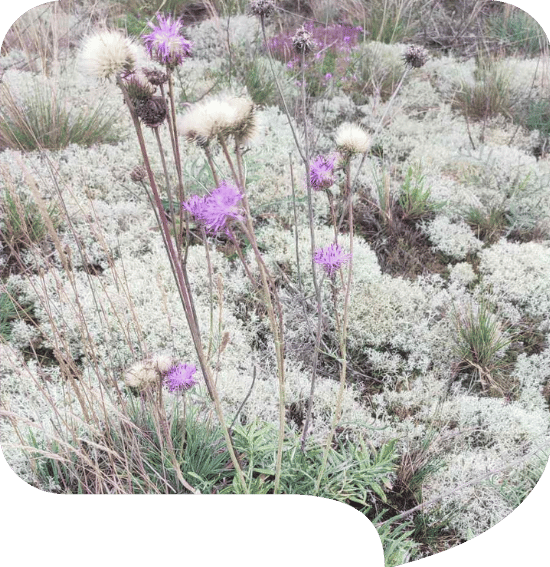
Evaluation of seed germination and plant fitness
Aim: To track germination success, plant fitness, and population dynamics across natural, reintroduced, strengthened, and ex-situ populations.
- Monitor germination success on 2 m x 2 m permanent plots (50 seeds per plot) compared against unseeded control plots.
- Test seed viability under controlled growth-chamber conditions at IBOT.
- Tag established plants with individual numbers and measure key traits to evaluate overall fitness and life-cycle critical phases.
- Model the impacts of climate change on plant performance and critical life-cycle stages in the future.
- Assess seed production changes and monitor herbivore presence following pollinator support and population strengthening activities.
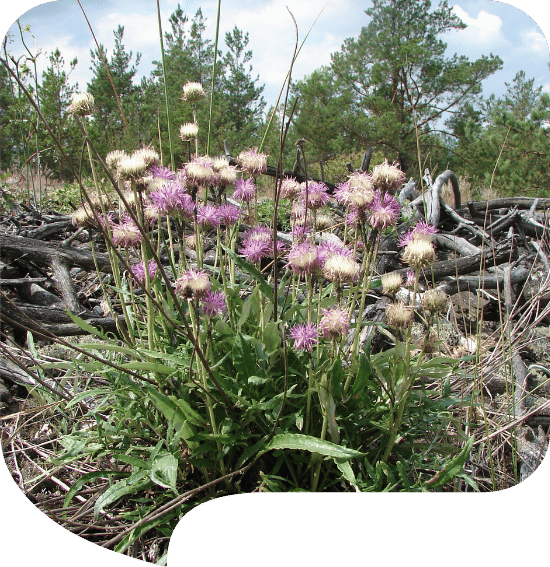
Impact on genetic structure of populations
Aim: To assess shifts in genetic diversity over time and adjust conservation protocols to maintain high genetic variation.
- Collect leaf samples in 2035 from natural, strengthened, reintroduced, and ex-situ populations.
- Evaluate genetic diversity using established WP 3 protocols and compare findings against baseline data from the project start.
- Formulate adaptive recommendations in the methodology if genetic shifts or losses are detected.
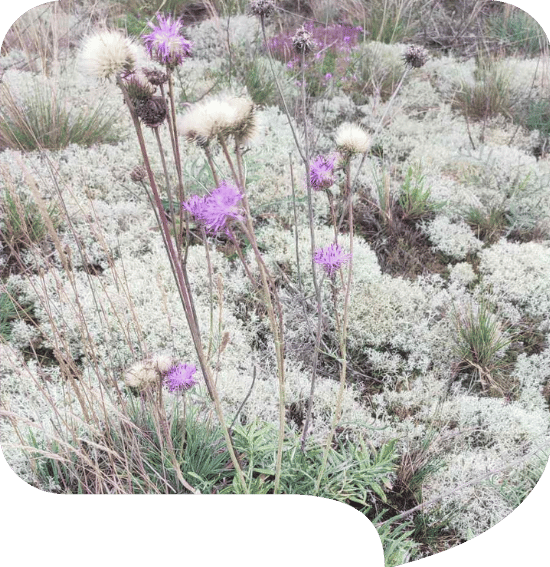
Project impact on pollinator occurrence
Aim: To evaluate the ecological response of pollinator communities to habitat management interventions.
- Conduct post-intervention pollinator surveys across all managed sites in Czechia and Germany using standardized WP 3 protocols (coloured pan traps, pitfall traps, light traps, netting, and visual observations).
- Perform repeated surveys at Ukrainian control sites (without management interventions) to establish baseline natural variations for comparative analysis.
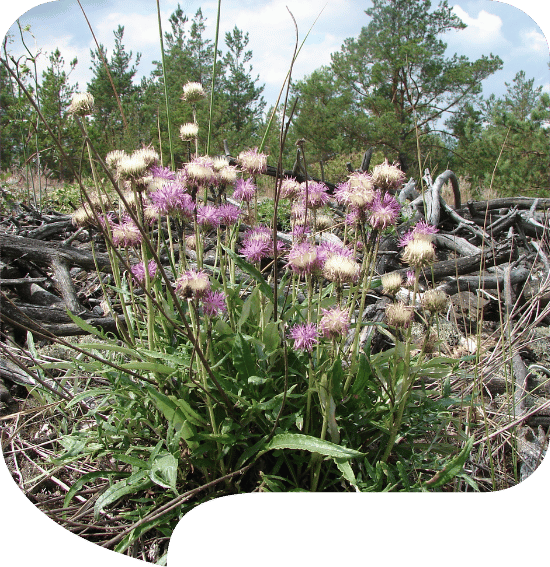

Project activity achievements
The activities haven't started yet.
Activity leader

Project partners
Financing
Co-funded by the European Union. Views and opinions expressed are however those of the author(s) only and do not necessarily reflect those of the European Union or CINEA. Neither the European Union nor the granting authority can be held responsible for them.