LIFE for Jurinea Basic information
- Project name: Rescue of priority species Jurinea cyanoides in all countries within its range
- Project acronym: LIFE25-NAT-CZ-Life for Jurinea
- Project code: 101293718
- Duration: 1. 7. 2026 - 30. 6. 2036
- Total budget: 10 718 456.43 EUR
Project team
Institute of Botany, Czech Academy of Sciences


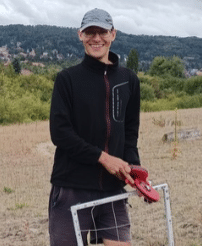

ČSOP Vlašim


Biology centre, Czech Academy of Sciences


Botanic garden of the Faculty of Science, Charles University



Hoschschule Anhalt
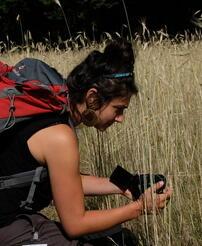



Biotopmanagement Schonert


Rivne regional organisation of the Ukraine Nature conservation Society


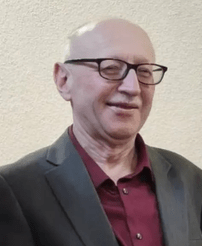
Green management
Subcontracts, purchases
The tenders and orders will be done according to methodology of green procurements
Refreshments
Local and ecological products will be used for refreshment for seminars and meetings, vegetable and fruit will be preferred. Bottled water and excessively packed goods will be avoided.
Travels
Attention will be paid to make all project travels reasonable and effective as much as possible. Traveling by cars will be reduced to a reasonable minimum. Public transport and car sharing between partners will be used whenever possible.
Offices
Documents will be printed only if necessary, recycled paper will be preferably used. A digital format of documents will be preferred. Presentation materials (brochures, leaflets, pens, etc.) will be made of recycled or responsibly produced materials (e.g. FSC-certified paper) and distributed only to those subjects that can reasonably make use of them (with regard to project objectives).
Waste recycling will be used and promoted by all project beneficiaries. Energy consumption will be reduced by reducing the heating and switching off the electric devices (PCs, plugging out chargers, etc.) during nights, weekends and when not in use; reducing the use of air-conditioning.
Electric devices (e.g. light bulbs, white goods) as well as car tyres with high energy-efficiency will be preferred.
Field work and project implementation
Efficiency and sustainability will be considered during implementation of all project actions to reduce their carbon footprint. All activities will follow each other smoothly, e.g. removing of trees and shrubs shortly before the grazing, plant transplantation shortly after top-soil removal to minimize additional measures.
EMAS-aligned Environmental Management Plan
Using the EMAS core indicators - energy, material efficiency, water, waste, biodiversity, and emissions - tracked annually from field logs (km, fuel), contractor reports (machinery hours), and procurement records. Complement this with a screening Organizational Environmental Footprint (OEF) limited to project operations that directly informs choices such as train-over-car, shared trips, electric/low-emission tools, local sourcing, and reduced printing.
Project partners

Financing
Co-funded by the European Union. Views and opinions expressed are however those of the author(s) only and do not necessarily reflect those of the European Union or CINEA. Neither the European Union nor the granting authority can be held responsible for them.