
Písčina u Tišic
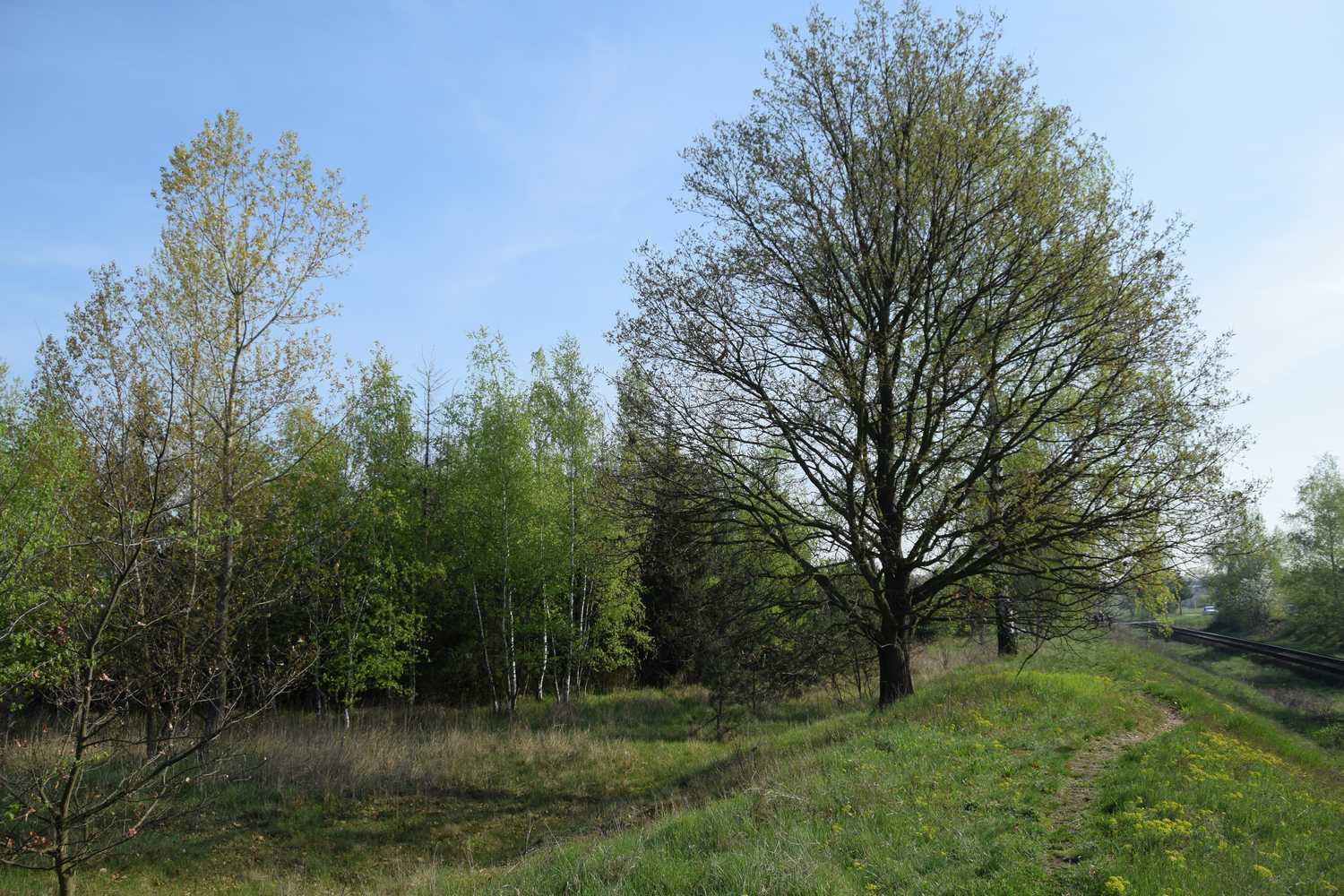
Písčina u Tišic is a crucial conservation site preserving rare sand dune habitats within an intensively used landscape. Most importantly, it holds the last natural population of Jurinea cyanoides in the Czech Republic (only 1 natural and 9 reintroduced individuals remained in 2024).
Open psammophilous vegetation covers 70% of the area, featuring characteristic species such as Corynephorus canescens, Helichrysum arenarium, Equisetum × moorei, and Verbascum phoeniceum. Despite its small size, the site serves as a vital refuge for endangered thermophilic beetles and hymenopterans bound to sandy habitats.
Threats to the Site
The main threat to the site is natural succession, leading to dense vegetation and sprouting of juvenile trees. The area is also increasingly impacted by climate change, particularly prolonged drought, alongside the spread of invasive, expansive and ruderal species such as Impatiens parviflora, Arrhenatherum elatius, and Rubus species.
Site Management
Site management faces major constraints due to the site's narrow width - around 10 meters - and its location on a railway embankment. To create suitable conditions for population strengthening, restoration actions will extend into selected parts of the adjacent buffer zone.
Management includes the repeated removal of dense trees and shrubs to restore semi-open habitats, alongside annual mowing to suppress competitive species like Arrhenatherum elatius, Rubus, and Calamagrostis epigejos (grazing is restricted due to the railway line). Topsoil will be manually removed on selected patches to reveal bare sand, complemented by artificial shading measures.
Map
Project partners

Financing

Co-funded by the European Union. Views and opinions expressed are however those of the author(s) only and do not necessarily reflect those of the European Union or CINEA. Neither the European Union nor the granting authority can be held responsible for them.