
Písčiny u Oleška
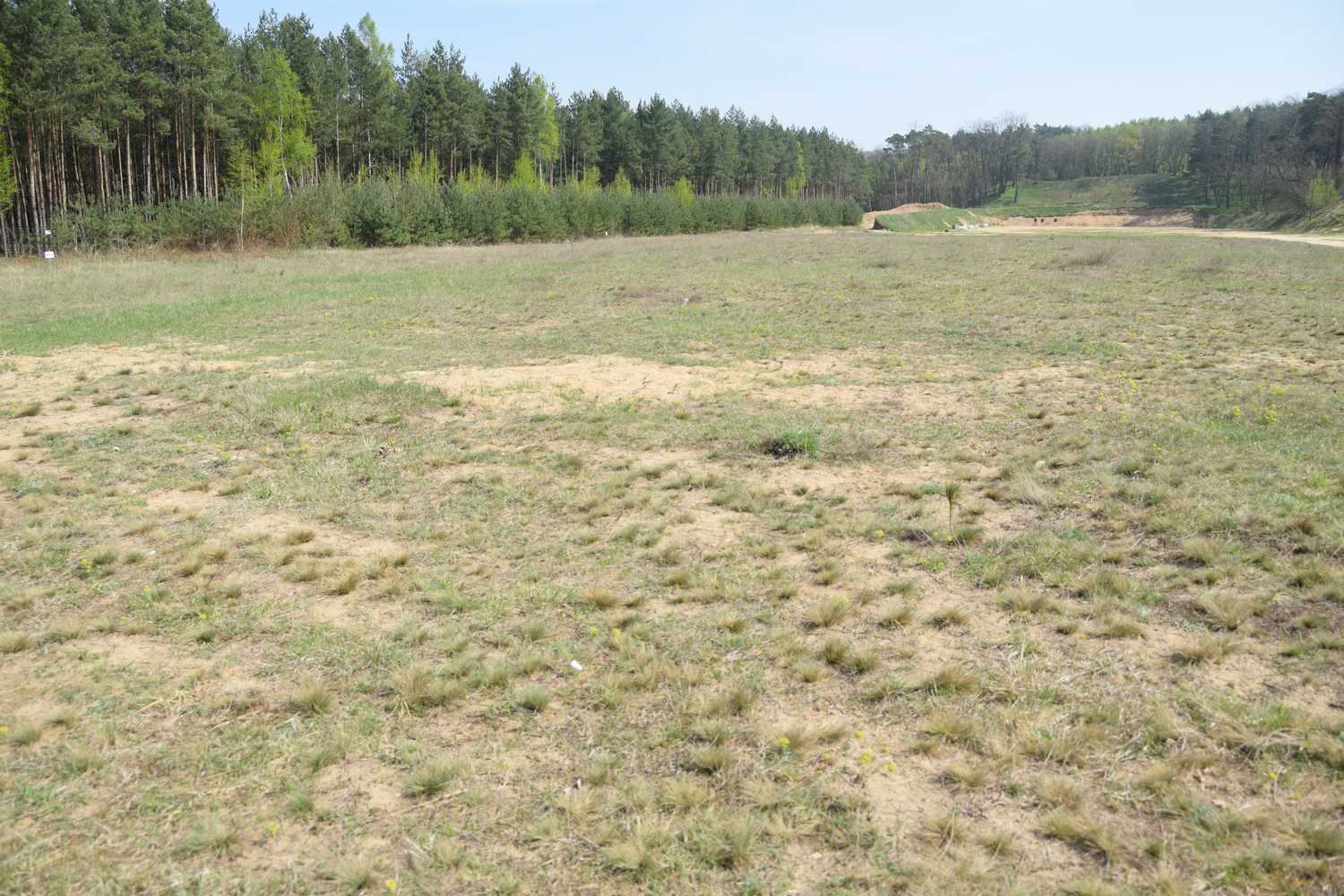
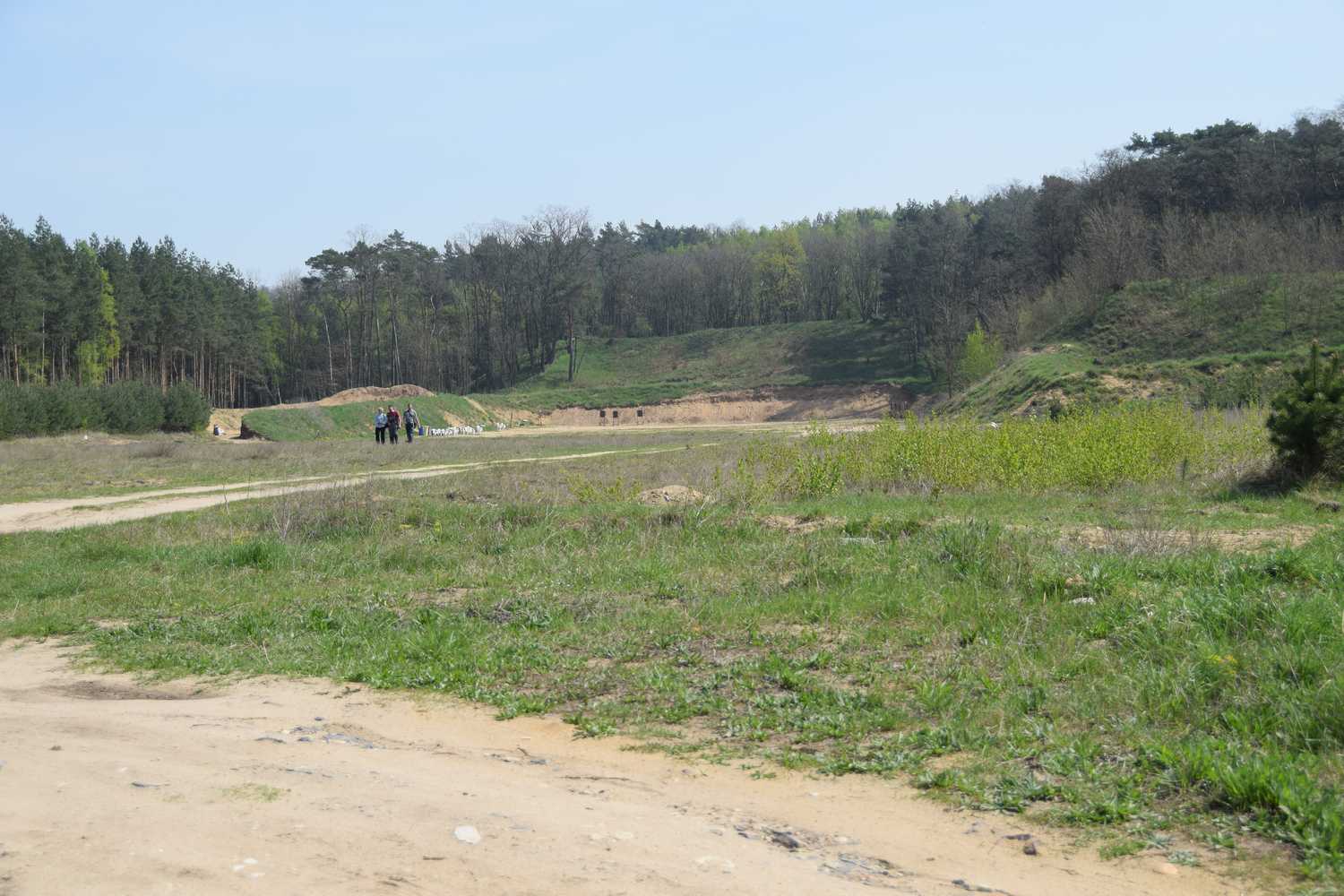
Písčiny u Oleška Natural Monument is a historically significant site where Jurinea cyanoides became extinct in 2004 due to insufficient management. As the only location for this species in the Ústecký Region, it represents one of the largest suitable areas for habitat restoration and reintroduction. The site hosts valuable open sand grasslands with Corynephorus canescens, Gypsophila fastigiata, Helichrysum arenarium, Silene otites, Achillea setacea, Festuca brevipila, Equisetum hyemale and Koeleria glauca, providing vital microhabitats for thermophilic invertebrates including e. g. Euplagia quadripunctaria and Hyles euphorbiae.
Threats to the Site
Major threats include natural succession on open sites, leading to dense vegetation and tree sprouting, as well as commercial forestry practices based on clear-cutting and pine monocultures. Additionally, invasive Robinia pseudoacacia dominates the southwestern part of the area. Close cooperation with the Ústecký Region and private landowners is essential to align forestry operations with nature conservation, create open forest structures and raise public awareness.
Site Management
Restoration plans include removing dense trees and shrubs across 7,7 ha, alongside targeted eradication of Robinia pseudoacacia. Mowing and grazing will be implemented to suppress competitive plants and tree saplings, while manual topsoil removal on 5 hectares will create bare sand patches. Jurinea cyanoides will be included as a target species for conservation and reintroduced using 2 000 seeds and 250 juvenile plants from German or Ukrainian populations.
Map
Project partners

Financing

Co-funded by the European Union. Views and opinions expressed are however those of the author(s) only and do not necessarily reflect those of the European Union or CINEA. Neither the European Union nor the granting authority can be held responsible for them.