
Písečný přesyp u Píst
The Písty Nature Monument and SCI represents a small but ecologically valuable remnant of inland sand dunes, preserving a fragment of the once widespread drift sands of the Elbe lowlands. The central area features well-preserved psammophilous vegetation, including open sand grasslands and open sand dunes without vegetation, characterized by species such as Corynephorus canescens, Festuca psammophila, and Spergula morisonii.
Threats to the Site
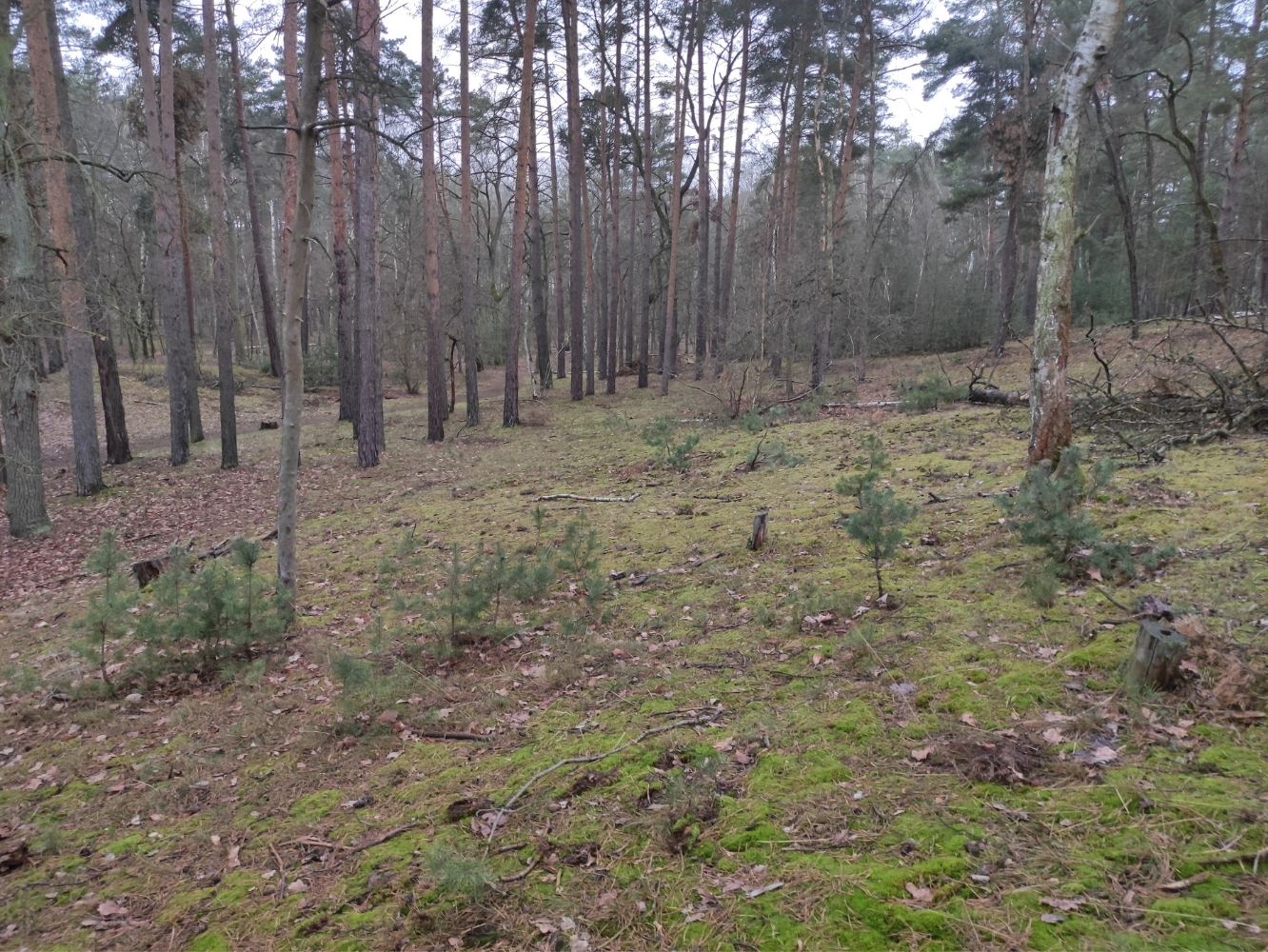
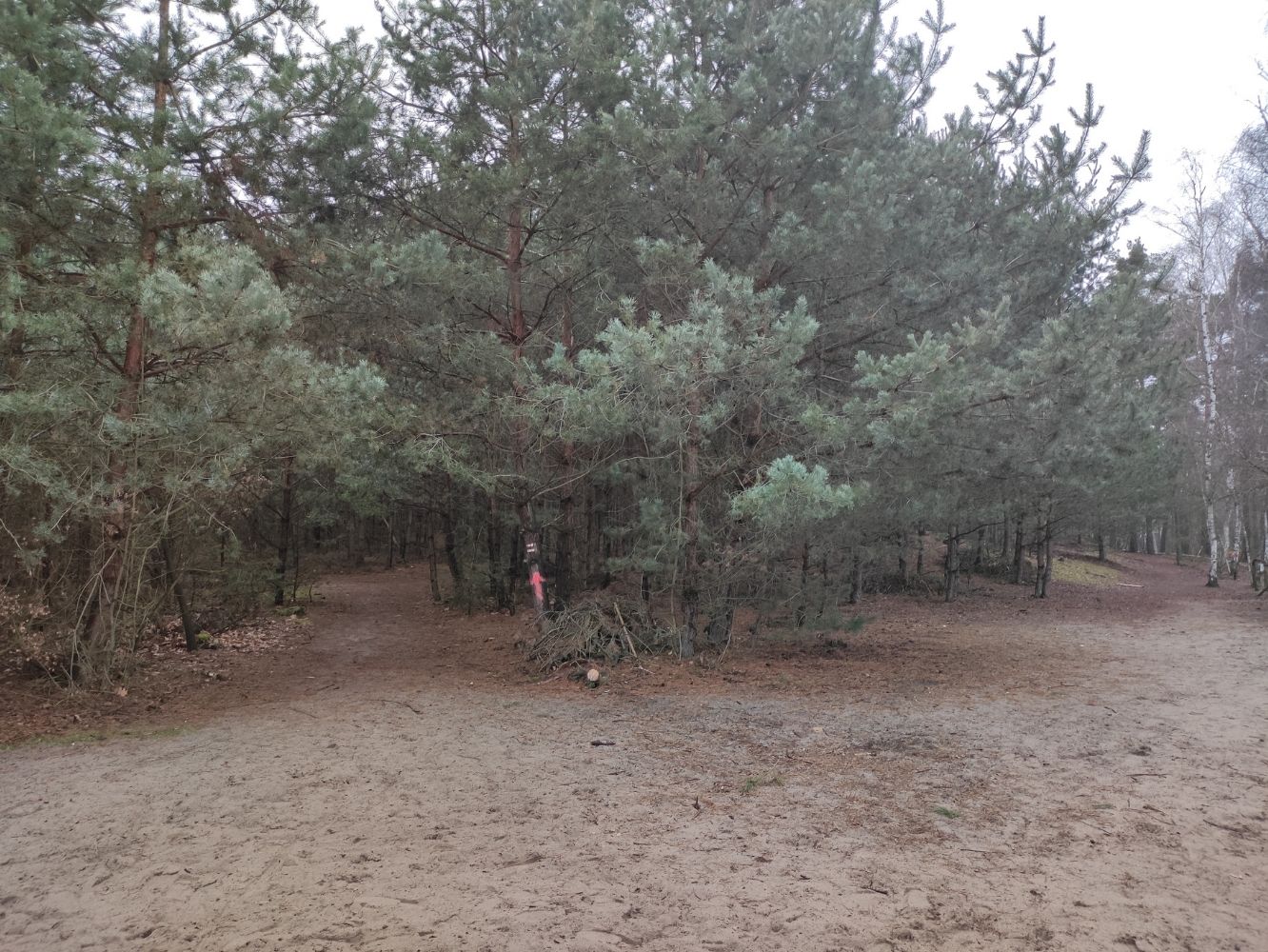
The main threat to the site is natural succession, leading to dense vegetation and tree sprouting around the open dune. The surrounding area is dominated by pine and oak forests, alongside invasive and non-native species including Robinia pseudoacacia, Quercus robur, Pinus banksiana and Rhus typhina.
Site Management
Restoration planned within the project includes the repeated removal of trees and shrubs to expand semi-open habitats, targeted eradication of invasive species, and annual mowing to reduce competitive vegetation. Topsoil will be manually removed on selected patches to expose bare sand. Jurinea cyanoides will be reintroduced using seeds (1 500) and transplanted individuals (200) from German or Ukrainian populations, establishing the species as a primary target for site protection.
Map
Project partners

Financing
Co-funded by the European Union. Views and opinions expressed are however those of the author(s) only and do not necessarily reflect those of the European Union or CINEA. Neither the European Union nor the granting authority can be held responsible for them.