Reintroduction of Jurinea
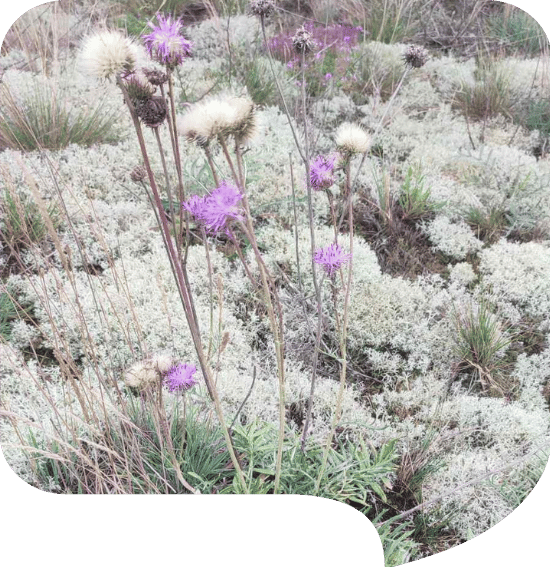
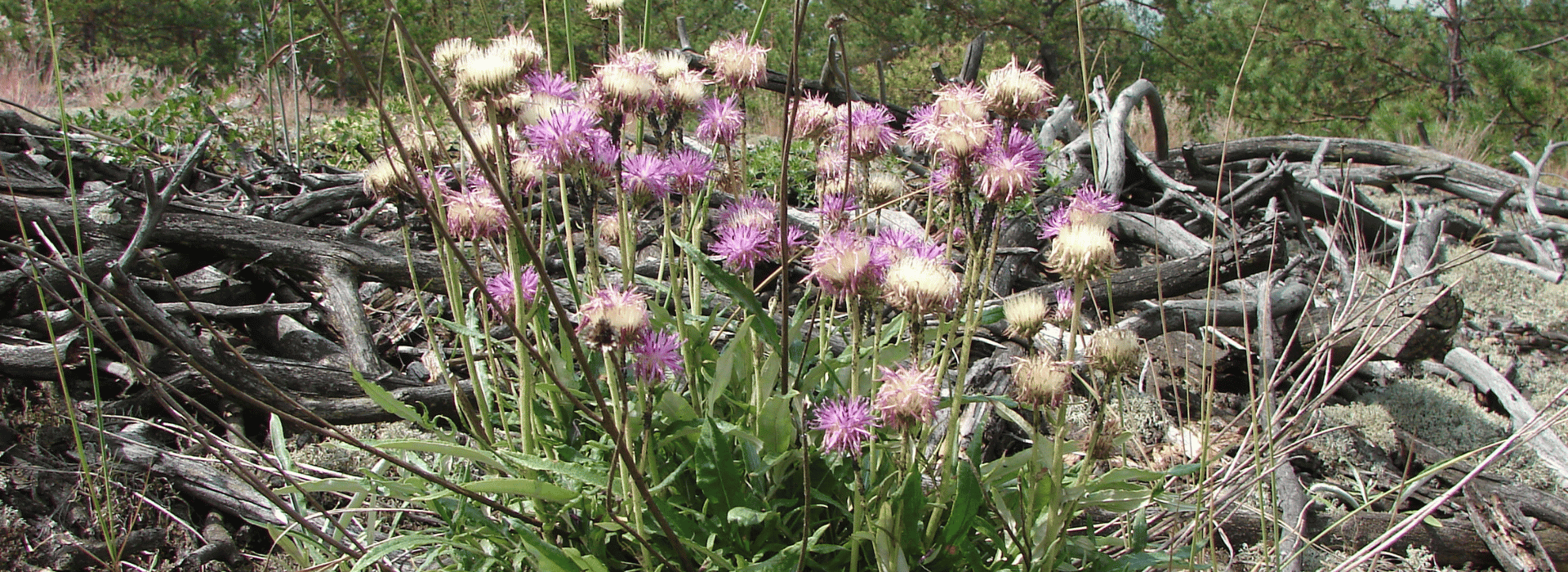
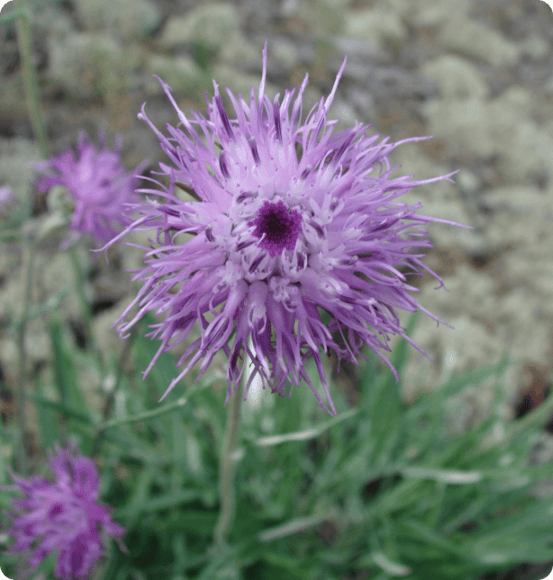
Reintroducing Jurinea cyanoides to its historical range is the only viable path to prevent its regional extinction, as isolated natural populations can no longer spread spontaneously. In Czechia - where only a few sterile individuals survive - and in Germany, new populations will be established at pre-managed, high-quality historical sites. By utilizing resilient seed stocks, selecting partially shaded habitats, and securing permanent legal protection for new sites, this action ensures the species’ long-term survival.
Species reintroduction: Material preparation, sowing and transplanting
Aim: To establish new, viable populations of Jurinea cyanoides at historical local sites in Czechia and Germany using controlled sowing and transplantation methods.
- Clean and process harvested seeds from selected ex-situ cultures or natural populations based on WP 3 recommendations.
- Test seed viability and germination rates under controlled growth-chamber conditions (under WP 8).
- Germinate seeds in greenhouses using sand substrate.
- Cultivate juvenile plants in pots within experimental gardens (IBOT) to prepare plants for field transplantation.
- Select semi-shaded microhabitats for sowing and planting to mitigate the impacts of increasing summer droughts.
- Sow seeds in marked grid plots (2 m x 2 m plots, 50 seeds per plot) and in rows spaced 50 cm apart following the established methodology (Tischew et al., 2017).
- Establish unseeded control plots in identical layouts to evaluate reintroduction success.
- Transplant tagged juvenile plants to field sites in autumn to avoid summer heat and drought stress.
- Identify and secure additional historical or suitable alternative sites in Saxony-Anhalt if possible.
- Tag all established plants with individual numbers to monitor their fitness (under WP 8).
Project activity achievements
The activities haven't started yet.
Activity leader

Project partners

Financing
Co-funded by the European Union. Views and opinions expressed are however those of the author(s) only and do not necessarily reflect those of the European Union or CINEA. Neither the European Union nor the granting authority can be held responsible for them.